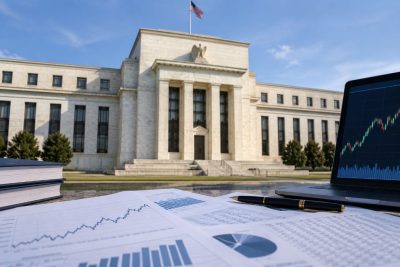
 The Federal Reserve, rather than the president, has direct responsibility for setting U.S. monetary policy. That distinction has become especially important as political pressure over borrowing costs has returned to the economic debate.
Presidents can publicly argue for lower interest rates. They can also shape economic conditions through taxes, spending, tariffs and regulation. But the decision to change the Federal Reserve’s target interest rate belongs to monetary policymakers, not the White House.
Who Actually Decides Whether Rates Rise or Fall?
The key decisions are made by the Federal Open Market Committee, or FOMC. The Federal Reserve explains that the committee has 12 voting members. They include the seven members of the Board of Governors, the president of the Federal Reserve Bank of New York and four other Reserve Bank presidents serving on a rotating basis.
The FOMC influences the federal funds rate, which is the rate banks charge one another for overnight lending of reserve balances. Changes in this rate can eventually affect other borrowing costs, financial conditions, employment, economic output and inflation.
That does not mean the Fed directly chooses every mortgage or credit-card rate. Longer-term borrowing costs also respond to inflation expectations, economic growth, financial risk and investor demand.
Why Can’t the President Simply Order a Rate Cut?
Congress designed the Federal Reserve to have substantial operational independence. The Federal Reserve Board describes the institution as “independent within the government.” Congress sets its objectives, including maximum employment and stable prices, while monetary policy decisions are insulated from direct day-to-day political control.
There is a reason for that structure. Interest-rate decisions can be painful in the short term. Higher rates may slow inflation, but they can also make mortgages, car loans and business financing more expensive.
The International Monetary Fund notes that independent central banks are generally better positioned to make decisions over a longer horizon. Its research has found an association between stronger central-bank independence and better inflation outcomes.
So Does a President Have Any Influence?
Yes, but much of that influence is indirect. Presidents nominate members of the Federal Reserve Board, subject to Senate confirmation. Board members have staggered 14-year terms, while the chair serves a four-year term as chair. That structure limits the ability of one administration to quickly reshape the institution.
Fiscal and trade policies can matter too. Large changes in government spending, taxes or tariffs may affect demand, prices and economic growth. Those changes can alter the conditions the Fed considers when setting monetary policy.
This creates an important political paradox. Policies intended to strengthen economic activity could increase inflation pressure in some circumstances. If that happens, the Fed may have less room to reduce rates.
Why Can Political Pressure Make the Fed’s Job Harder?
Markets care about whether a central bank can control inflation over time. Research published by the IMF in 2026 found that politically motivated central-bank leadership transitions were associated with higher and more volatile inflation in the countries studied.
If investors begin to believe monetary policy is being shaped by short-term political goals, inflation expectations can become harder to contain. That could put upward pressure on longer-term borrowing costs even when political leaders want cheaper credit.
A president can influence the economic environment surrounding interest rates. The president can also influence the Fed’s leadership over time through appointments. But monetary policy remains a collective FOMC decision. Political pressure therefore cannot guarantee lower rates. Under some conditions, it can make achieving sustainably lower borrowing costs more complicated.